2026-10-15 ·
Earthquake Water Line Breaks: What Wilmington Residents Should Know
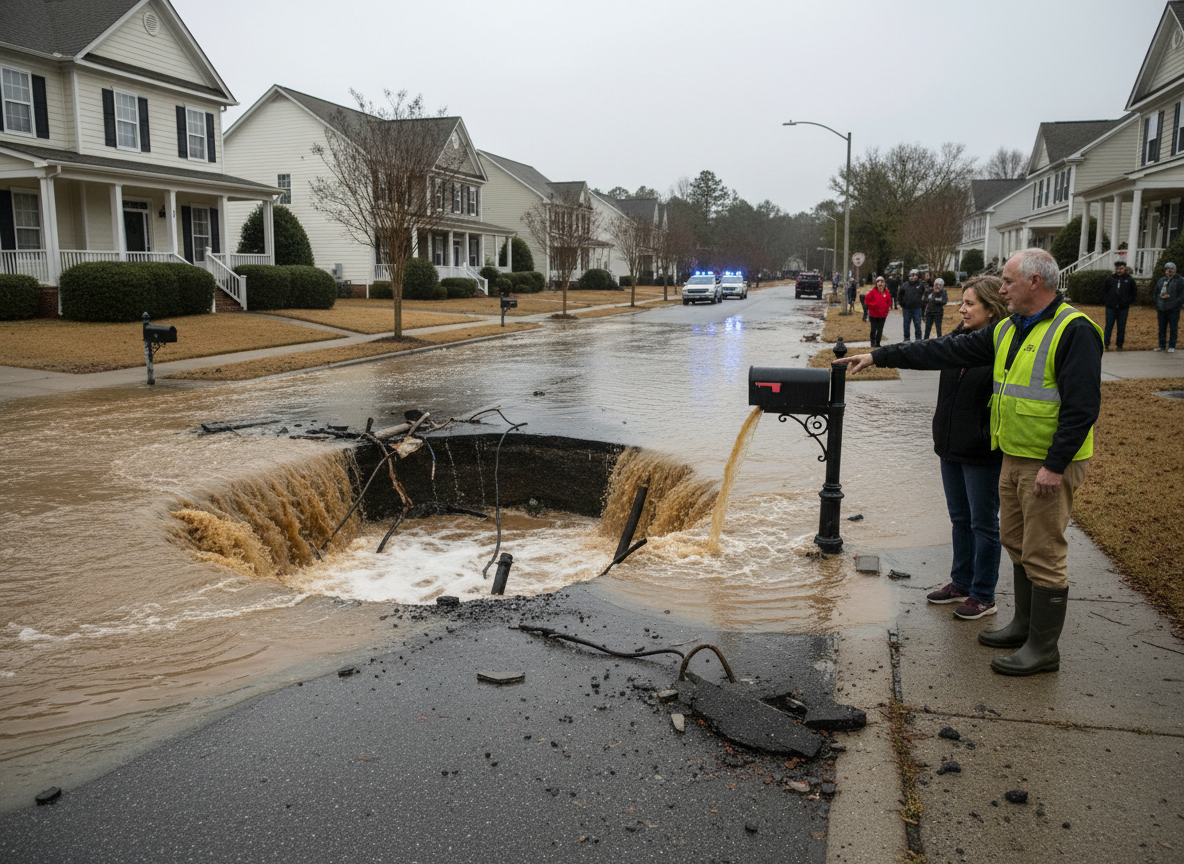
In Wilmington, earthquake water line breaks typically hit older galvanized or cast-iron pipes in homes built before 1960, especially around Downtown Wilmington and the Banning Park area where soil movement near the Port of Los Angeles amplifies ground shifts. Residents often see sudden pressure drops or wet spots within hours of a quake measuring 4.0 or higher.
How Earthquakes Damage Water Lines in Wilmington
Wilmington sits on alluvial soils that liquefy or shift during seismic events, stressing joints in water mains and service lines that run under streets near Wilmington Waterfront Park. The mild Mediterranean climate with dry summers leaves clay-heavy ground cracked and brittle, so even moderate shaking can snap older lines that have already corroded from decades of port-related industrial use. Properties in the Banning Park area face extra risk because many homes sit on original 1920s foundations with shallow trenches that offer little flex. Nearby Carson and Long Beach share similar geology, meaning crews often cross city lines after regional quakes to handle simultaneous breaks. These conditions turn a small leak into rapid flooding that soaks crawl spaces and slab foundations common throughout Los Angeles County.
Recognizing Breaks After Seismic Activity
Homeowners notice sudden muddy water at exterior spigots, warm spots on floors, or hissing sounds near the meter box within minutes of an earthquake. In Downtown Wilmington, low-lying streets can channel water toward foundations before residents detect the source. Check for unexplained spikes in the water bill or soft spots in yards along the service line route from the street. Bold inspection of the main shutoff valve often reveals drips or reduced flow that confirm a break. These signs differ from storm leaks because earthquake damage usually appears without prior rain and concentrates near pipe joints stressed by lateral ground movement.
Immediate Response Steps for Local Homes
Shut off the main water valve at the meter first, then document visible water with photos for insurance. Move valuables above the water line in affected rooms and avoid electrical outlets near wet areas. In the Banning Park area, call for emergency water removal right away because standing water can reach neighboring properties on the flat terrain. Open windows to promote airflow while waiting for extraction crews, but do not attempt to run fans if power lines may be compromised. These first actions limit saturation of drywall and flooring that older Wilmington homes often contain.
Restoration and Mold Prevention
Professional teams extract standing water then use moisture meters to locate hidden saturation behind walls and under slabs common in port-area construction. Follow-up drying prevents mold that thrives in the region's occasional humidity spikes after dry summers. Readers can learn more in the guide on Preventing Mold Growth After Minor Flooding on Wilmington's Low Streets. For pipe-specific work, water leak restoration crews replace damaged sections with modern PEX or copper while documenting everything for claims. Properties near Long Beach may need extra dehumidification because coastal air holds more moisture.
Typical Repair Costs and Next Steps
Repair ranges depend on pipe depth, access, and whether slab or crawl-space work is required; many Wilmington jobs fall between $1,200 and $4,800 when the break stays within the property line. Check the article on Typical Costs for Water Damage Repair in Wilmington Properties for detailed breakdowns. After the quake, schedule a full inspection of the service line from the street to the house to catch secondary leaks caused by the same ground movement. Crews based at 500 Delaware Ave operate 24/7 and serve both Wilmington and adjacent Carson when multiple homes report simultaneous issues.