2026-10-15 ·
Preventing Mold Growth After Minor Flooding on Wilmington's Low Streets
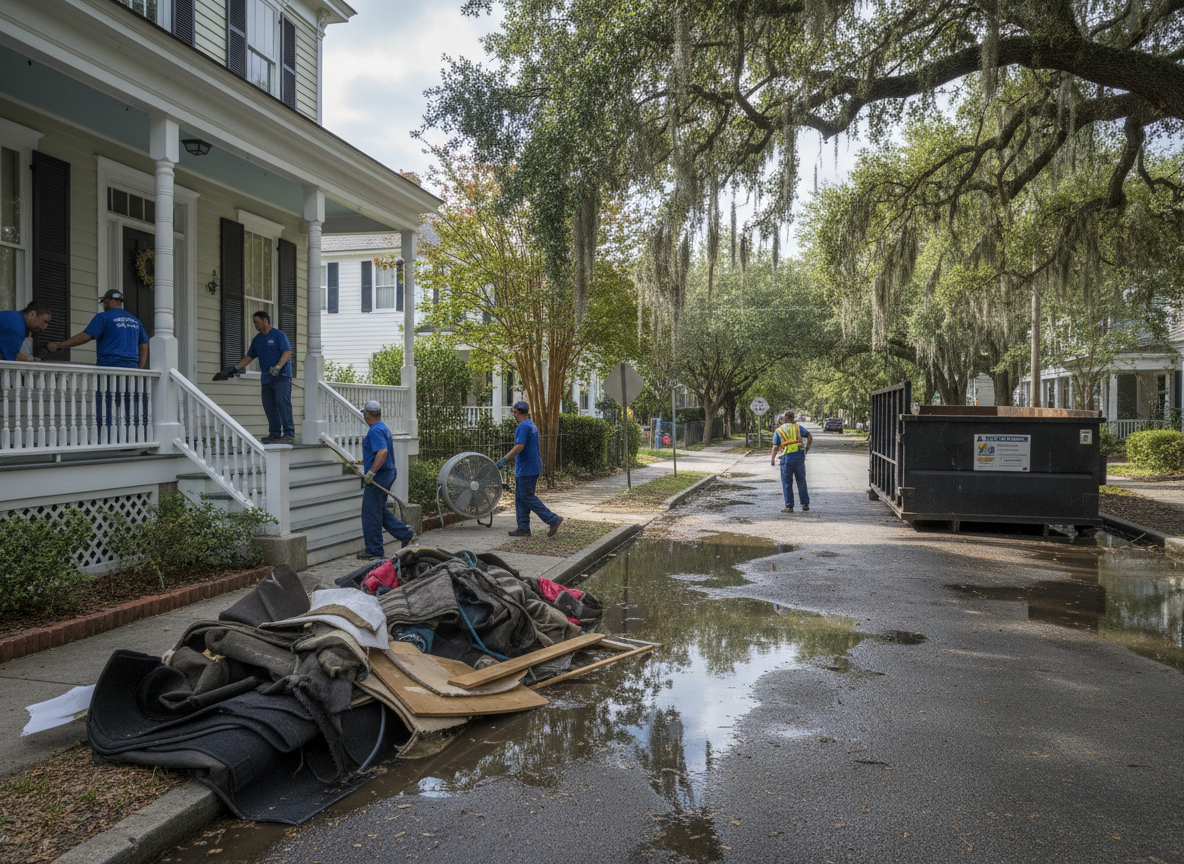
Mold growth after minor flooding on Wilmington's low streets can be prevented when standing water is extracted within 24 hours and indoor humidity stays below 50 percent for the next 7-10 days. Wilmington's older housing stock in the Banning Park area and Downtown Wilmington sits on flat terrain close to the Port of Los Angeles, so even small overflows from storms or plumbing backups pool quickly and seep into crawl spaces and slab foundations common in homes built before 1960.
Immediate Water Removal Steps
Begin by stopping the source if safe, then remove visible water before it soaks deeper into flooring or walls. Use a wet vac or pump on low streets where runoff from the Wilmington Waterfront Park area often adds volume. Focus on carpet pads, baseboards, and any particleboard subfloors typical in Carson-adjacent neighborhoods, as these materials hold moisture longest. Emergency water removal crews familiar with Port of Los Angeles drainage patterns can reach hidden pockets faster than standard methods. Once bulk water is gone, open windows during the mild Mediterranean dry summers to start airflow, but monitor for rising outdoor humidity that can slow progress.
Targeted Drying in Older Wilmington Homes
Deploy air movers and dehumidifiers aimed at affected zones rather than whole-house drying to match the compact layouts of Banning Park homes. Aim for 80-100 pints of moisture removal daily in the first 48 hours, checking moisture meters on drywall and joists every 12 hours. Low streets near the port hold residual dampness longer due to higher water tables, so place units in crawl spaces where vapor barriers may be missing or damaged. Water damage mitigation focuses on these exact conditions by pulling air across wet surfaces instead of just circulating it. Avoid closing up the house too soon, as trapped humidity in Long Beach-bordering blocks promotes hidden growth behind cabinets and under sinks.
Checking for Hidden Moisture Risks
Inspect attics and wall cavities with infrared tools, especially after water travels from low street flooding into second stories. In Wilmington's pre-1970 stock, plaster and lath walls hide saturation that shows up days later as musty odors. How to inspect for hidden moisture in Wilmington attics post-storm outlines meter readings on ceiling joists that signal when further action is needed. Pay extra attention to homes near Banning Park where tree roots and uneven grading direct water toward foundations. If readings stay above 15 percent after three days, professional drying equipment stays on site longer to break the cycle before spores activate.
Ongoing Monitoring and Local Prevention
Run dehumidifiers for at least 5-7 days post-event while tracking indoor levels with a simple hygrometer. Wilmington's dry summers help once water is gone, but coastal proximity to Long Beach means evening marine layers can reintroduce moisture if doors stay open. Schedule follow-up checks at 72 hours and one week to catch any rebound in crawl spaces common under homes in the area. For recurring issues, mold remediation after water damage teams address the root causes like poor grading around low streets rather than repeated surface cleaning. Residents in Downtown Wilmington and nearby Carson blocks benefit from these steps because they match the actual soil and drainage realities instead of generic advice.